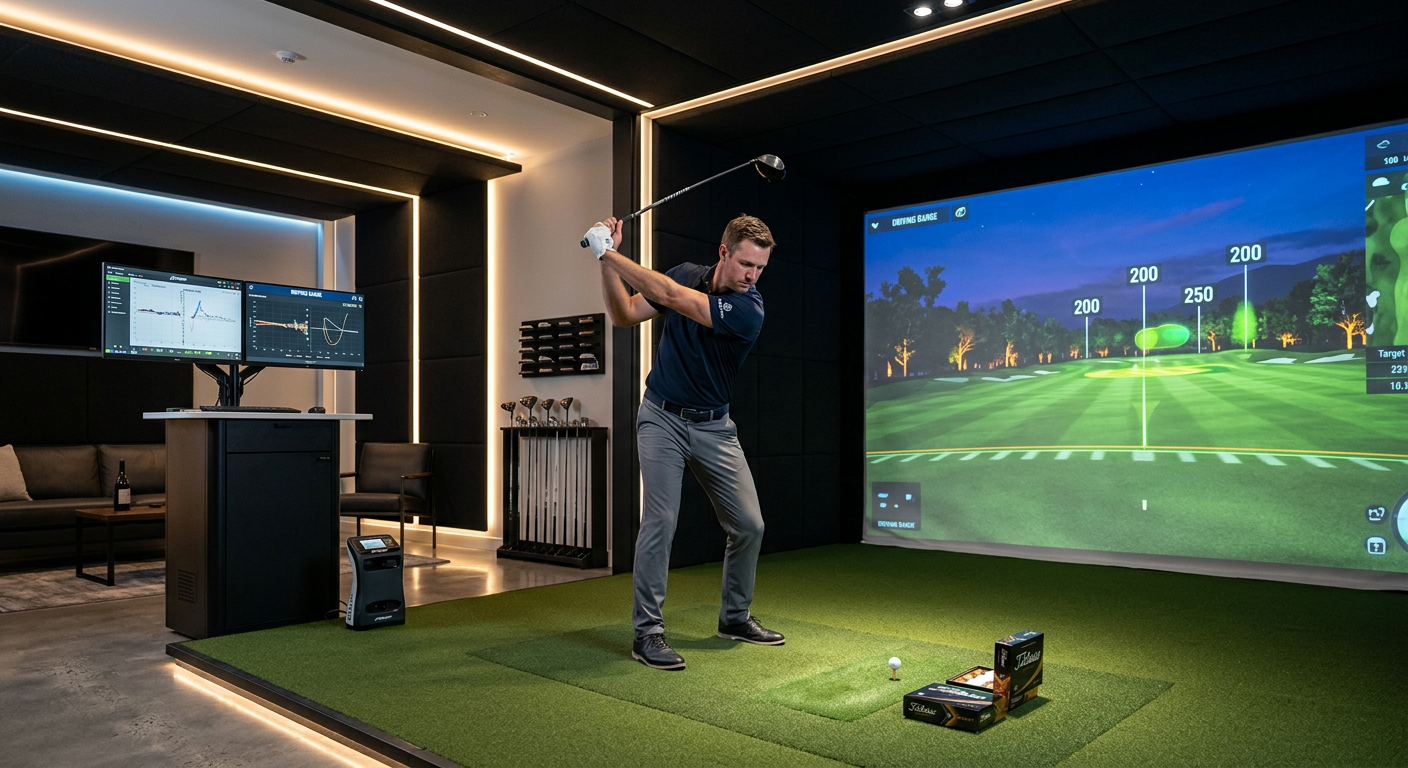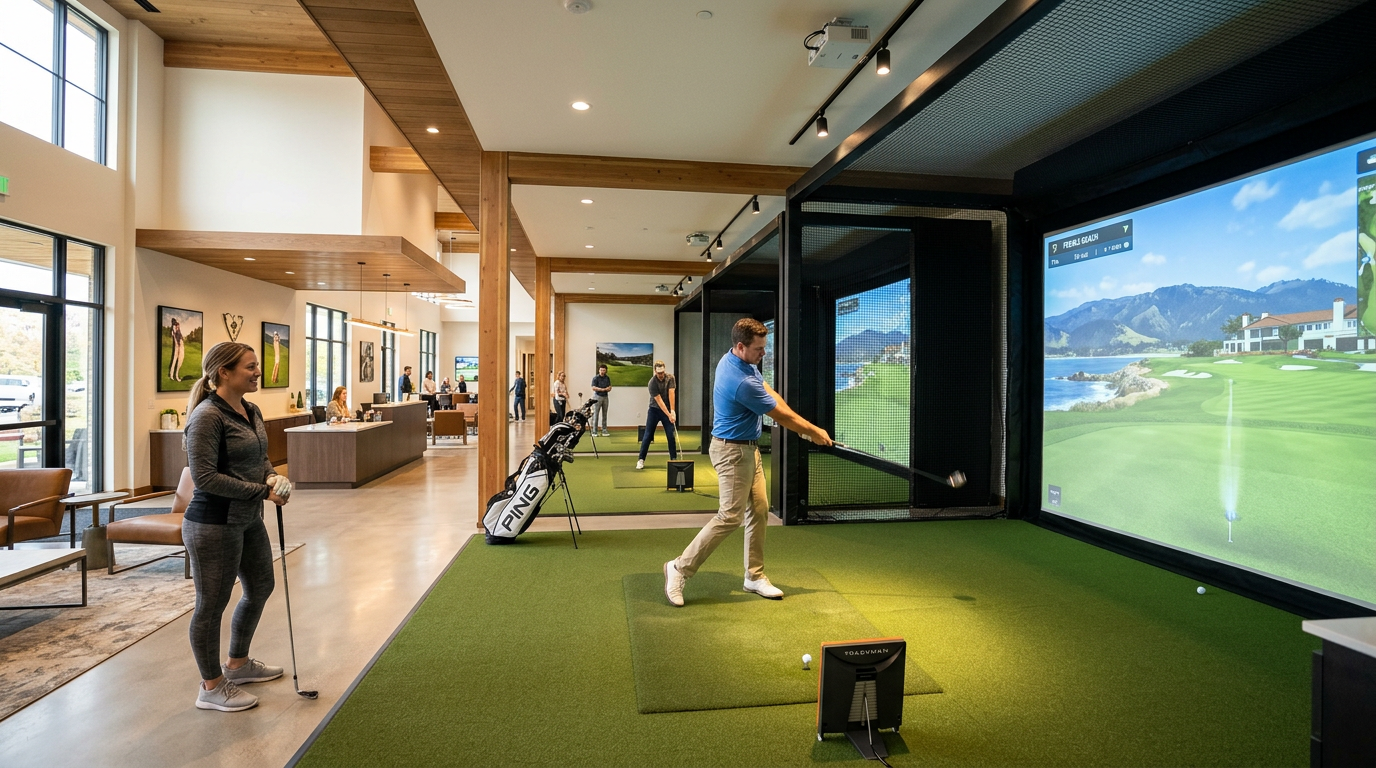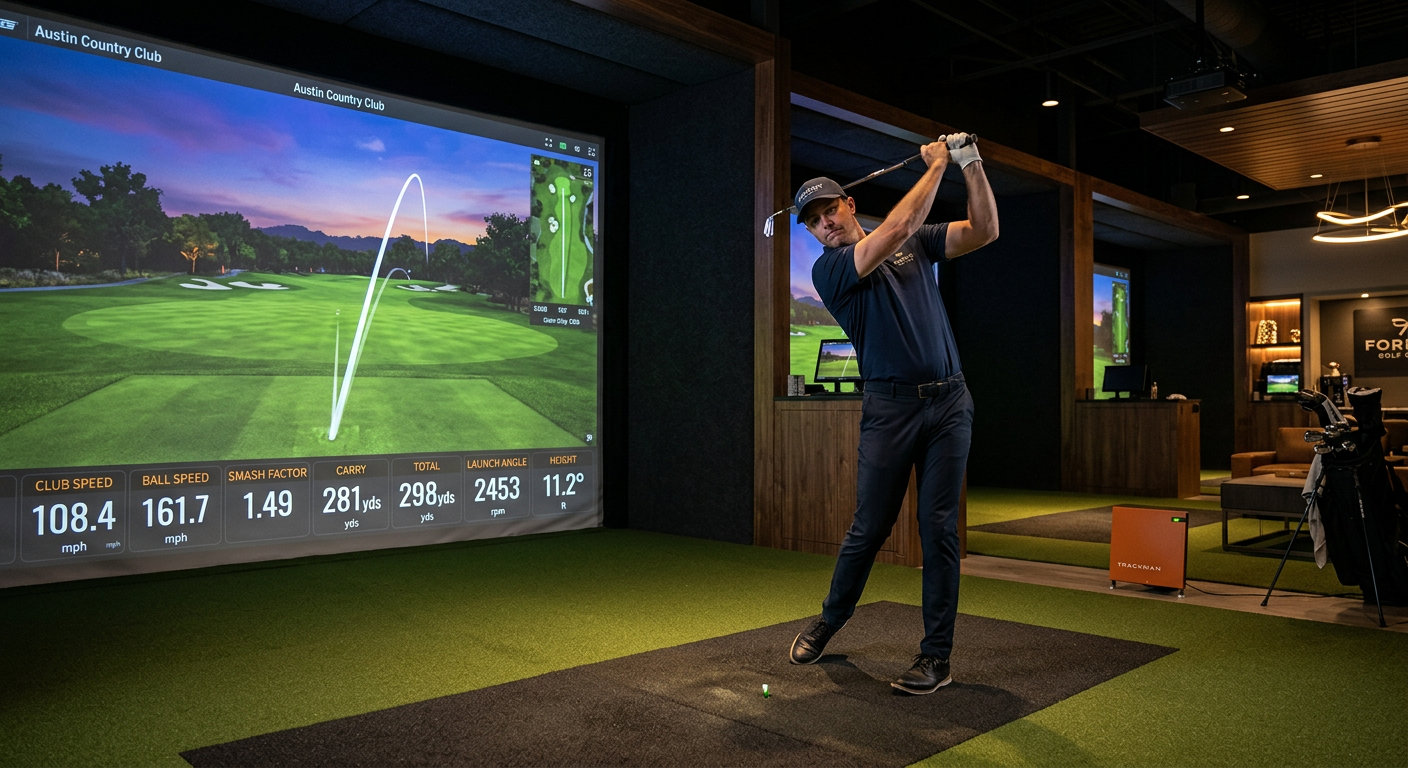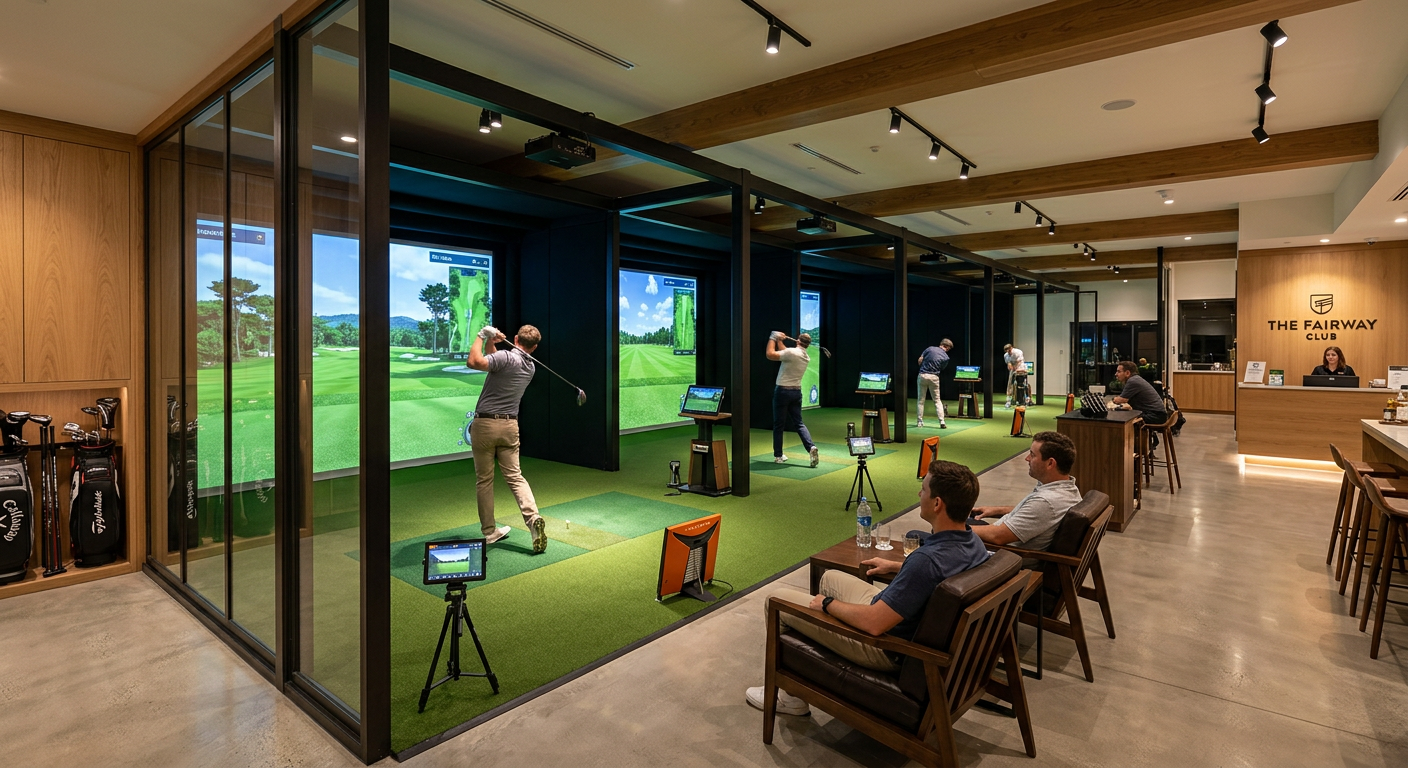
The golf industry is undergoing a massive transformation. According to the National Golf Foundation (NGF) - Off-Course Golf Report, off-course participation—which includes simulator facilities, driving ranges, and indoor entertainment venues—has grown by 68% since 2017. Learning how to start a golf simulator business requires a strategic mix of high-end technology, specialized facility planning, and a deep understanding of golfer behavior. Whether you are aiming to open a premium training center or a social entertainment lounge, success depends on providing accurate data and a seamless user experience.
Starting a business in this niche involves securing a location with high ceilings, investing in industry-leading launch monitors, and establishing a sustainable revenue model through memberships and coaching.
Market Research and Business Planning
Before signing a lease, you must define your business model. Most indoor golf businesses fall into three categories: a performance-based training center, a lounge with food and beverage, or a 24/7 automated access facility.
When conducting market research, look at the local golf community. Are there high-end private clubs nearby where members need a place to practice during the off-season? Or is there a lack of accessible driving ranges for beginners? Understanding these dynamics allows you to tailor your services. Many successful operators find that a membership model provides predictable recurring revenue while hourly rentals attract new customers and groups.
Selecting Your Technology Infrastructure
The heart of your business is the technology. In the professional golf world, not all tracking systems are created equal. To attract serious golfers and coaches, you need professional-grade equipment that provides verified data.
TrackMan Golf - Business Solutions sets the industry standard by using dual radar technology combined with OES camera tracking. This level of precision is why over 1,000 PGA Tour pros trust this technology for their own practice. When customers pay for time in your facility, they expect that indoor golf ranges will accurately reflect their true ball flight, spin rates, and launch angles. If the data is inconsistent, serious players will not return.
Facility Requirements and Zoning
One of the most common pitfalls in starting a simulator business is underestimating the space required for safe and comfortable play. You cannot simply retro-fit any commercial space into a golf center.
Ceiling Height and Clearance
Safety is the priority. Most indoor golf setups require a minimum ceiling height of 10 to 12 feet to ensure golfers can swing a driver without hitting the structure. Additionally, the depth of the hitting bay generally needs to be at least 18 to 20 feet to allow for proper ball-to-screen distance and a safe workspace for the sensors. For more detail on these measurements, review our guide on how much space do you need for a golf simulator.
Local Permitting and Zoning
Zoning requirements for these facilities typically fall under Commercial Recreation or Indoor Commercial Amusement. In Texas, specifically for businesses in Kaufman County, you should consult the City of Forney - Business Licenses and Permits department to ensure your chosen location is zoned correctly. You will likely need building permits for any structural modifications, electrical upgrades for the high-powered projectors, and fire marshal approval for the hitting screens and turf materials.
Financial Planning and Initial Investment
Starting an indoor golf business requires significant upfront capital. Costs vary depending on whether you are building a single-bay boutique or a multi-bay franchise.
Major expenses include:
- Simulator Hardware (Launch monitors, screens, and projectors)
- High-quality artificial turf and hitting mats
- IT infrastructure and booking software
- Interior build-out (Soundproofing, lighting, and lounge furniture)
- Commercial insurance
For a breakdown of individual unit costs, you can reference our analysis on how much does a golf simulator cost. Beyond the equipment, you should also consult the U.S. Small Business Administration (SBA) for resources on drafting a business plan and securing small business loans.
Operational Strategy and Community Building
Once the facility is built, the focus shifts to operations and marketing. A successful golf business is more than just a set of bays; it is a community hub.
Staffing and Coaching
While some businesses operate on an unstaffed model, having a PGA professional on-site can significantly increase revenue. Offering structured training programs gives customers a reason to visit frequently rather than just for special occasions. Professional instruction paired with data-driven feedback creates a high-retention environment.
Local Networking
Building relationships with local organizations is vital for growth. Joining the Forney Area Chamber of Commerce can help you connect with other local business owners for corporate events and team-building packages. Networking with local high school golf teams also provides a steady stream of daytime traffic during the school season.
Risk Management and Insurance
Indoor golf businesses face unique risks, such as equipment damage or accidental injury from ricocheting balls. Specialized golf course and simulator insurance is necessary to protect your investment. This typically includes general liability, professional liability for coaches, and property insurance for the expensive hardware used in each bay.
FAQ for Starting an Indoor Golf Business
How many bays do I need for a profitable business?
Most small-to-medium facilities start with 3 to 5 bays. This allows for a mix of private lessons, member practice, and walk-in rentals without requiring an excessively large footprint.
Is a golf simulator business profitable?
Profitability depends on your utilization rate. High-performing facilities maximize revenue by filling "dead hours" (weekday mornings) with discounted senior rates or league play while charging premium rates for evening and weekend slots.
What is the biggest mistake new owners make?
The biggest mistake is skimping on technology or space. If an indoor driving range uses low-end sensors that lack accuracy, serious golfers will not use it for game improvement, leaving you with only an entertainment-seeking crowd which can be more seasonal.
Start Your Journey with Professional Standards
Launching a golf simulator business is an exciting opportunity to tap into the fastest-growing segment of the sport. By focusing on professional-grade technology and a community-first approach, you can build a facility that helps golfers truly improve their game.
At The Wedge, we have built our reputation on these exact principles, using TrackMan technology to provide our members with the best indoor training environment in Forney, TX. If you are looking to see a world-class setup in action or want to start your own improvement journey, contact us today to learn more about our facility and programs.